Trump says Ukraine and Russia agreed not to hit energy targets
In this article
- @LCO26X
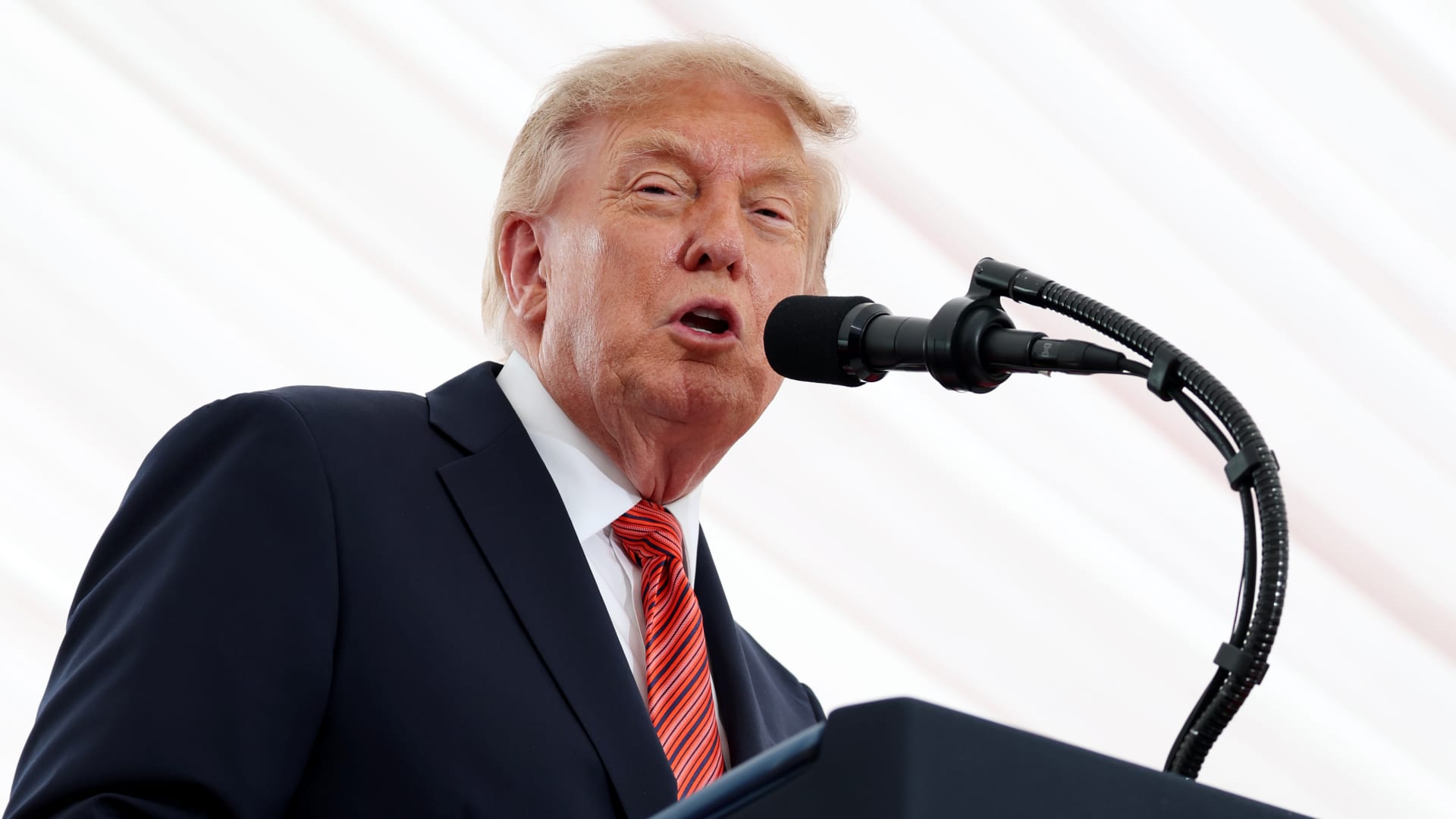
President Donald Trump said Monday that Ukraine and Russia have agreed to stop attacking each other’s energy infrastructure.
Read more Trump says no need for more AI regulation, slams Anthropic CEO Dario Amodei
“Ukraine has agreed not to hit Russian Energy targets. Russia has agreed to do, likewise!” Trump wrote in a Truth Social post.
He also said, “The World’s Diesel price rise is mostly caused by the Russia/Ukraine War, not Iran.”
Neither Ukraine nor Russia immediately confirmed Trump’s claim
The announcement came a day after Trump urged Ukrainian President Volodymyr Zelenskyy to “stop knocking out diesel fuel in Russia.”
“Let him go after targets but not diesel fuel because he’s causing a shortage of diesel,” Trump had said during his visit to Ireland.
Moscow welcomed Trump’s comment.
But Ukraine has insisted that energy sites are legitimate military targets as it continues resisting Russian forces that invaded the country more than four years ago.
Read more Clarity Act faces make-or-break Senate vote on Tuesday as crypto industry pushes for bill
Zelenskyy on Thursday said that Ukraine had struck two Russian oil refineries. He also said that Moscow uses its oil revenues “to finance the war and the killing of Ukrainians.”
Read more CNBC politics and policy coverage
- Analysis: Hot inflation data sets up a Fed rate hike. What happens if Warsh wavers
- Hassett kept up to $5 million Coinbase stake as Trump reshaped crypto policy
- Trump’s energy holdings have surged as the Iran war moved oil markets
The average U.S. price of diesel, an important energy source for industrial and other heavy-duty machinery, hit $6 per gallon for the first time Friday.
The sharp price hikes have coincided with an escalation in the Iran war, including a recent drone attack on Saudi Arabia’s critical East-West oil pipeline.
The pipeline was used to bypass the Strait of Hormuz, the vital oil-shipping route that continues to experience highly throttled commercial traffic since the U.S. and Israel attacked Iran in late February.
Read more Indonesia’s president appoints his third finance minister in under two years