Iran and Oman prepare Hormuz deal as U.S. holds back on secondary sanctions
In this article
- @LCO.1
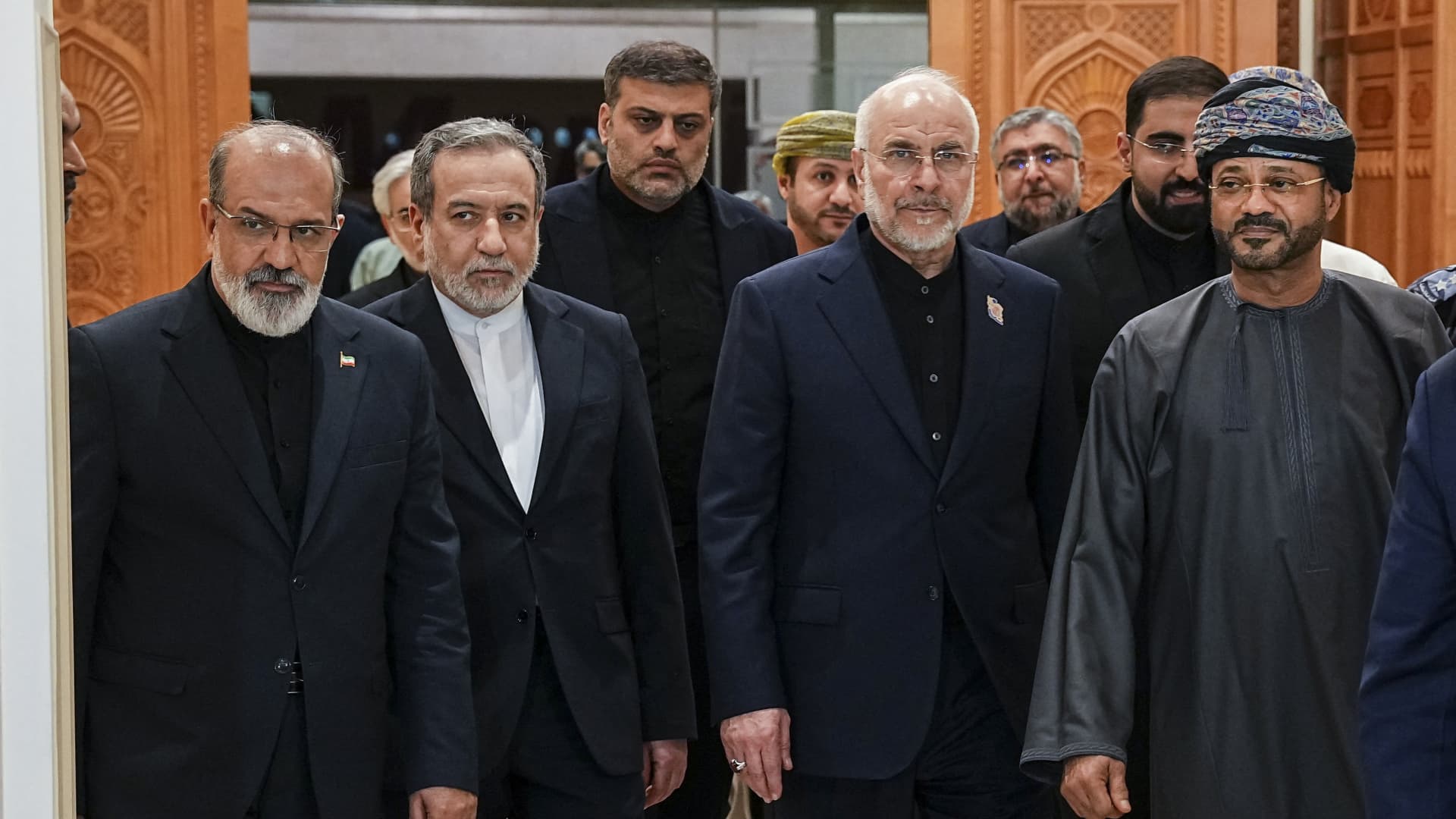
Iran and Oman are approaching a deal to secure safe transit through the Strait of Hormuz and future administration of the vital economic artery.
Read more From military alliance to economic partnership: How Trump is redefining U.S.-South Korea ties
The Gulf nations said in a joint statement on Tuesday that their respective foreign ministers had discussed a “proposed framework” to establish “a joint temporary navigational corridor through the Strait of Hormuz and an agreement to implement a joint project to clear the Strait of mines.”
Oil prices have extended recent losses in response to the statement, with international benchmark Brent Crude falling below the $90 per barrel market overnight.
Just five commodity vessels transited the Strait of Hormuz on Tuesday, below the 10-day average of 15, according to preliminary data from Kpler. Roughly a fifth of global crude flows typically flowed through the Strait before the Iran conflict.
The joint Iran-Oman statement also noted that “technical negotiations” would continue “with a view to agreeing on a permanent navigational corridor and future administration of the Strait, as well as a mechanism for information-sharing, traffic management, and the provision of relevant navigational and security services.”

Contributing to pressure on oil prices in recent days, the U.S. has reportedly started returning its diplomats to Gulf states – suggesting Washington does not currently expect military escalation. Russia’s RIA Novosti also reported late on Tuesday that the U.S. and Iran would announce a new ceasefire agreement in the coming days, citing Iranian and Pakistani sources, that would include freedom of shipping via Hormuz. However, this could not be independently verified, and the White House did not respond to MS Now’s request for comment.
Read more Trump’s Saudi nuclear deal reaches Congress as experts warn of proliferation risk
It comes after Treasury Secretary Scott Bessent’s pledge on Monday to launch an “economic D-day” on the Iranian regime, threatening to target Tehran’s “enablers” and trading partners in efforts to strangle its economy. This included a list of 60 individuals, entities and vessels.
Read more U.S.-Iran war news
- Trump admin unveils anti-Iran global sanctions plan, signals China not exempt
- Strait of Hormuz shutdown: A visual guide to world’s most critical oil chokepoint
- Trump targets Iran’s trade lifelines — here are the countries most exposed
- China needs U.S. dollars but is building a hedge against Washington’s sanctions
- Trump says no talks scheduled with Iran as he teases action in Hormuz Strait
- Investors scored on Iran war’s oil market boom. Staying long the trade will get trickier
- What is Pickaxe Mountain, the Iranian nuclear facility Trump is threatening to strike?
- Ukraine strikes Iranian vessels in Caspian Sea, Tehran accuses Kyiv of ‘hostile and criminal act’
- Saudi military strikes Houthi targets in Yemen after Iran-backed militia attacked Red Sea shipping
- Tehran’s Hormuz threat risks global fallout, Rubio warns as U.S. strikes Iran for 11th straight night
- Iran says it attacked Amazon infrastructure in Bahrain
- U.S. strikes Iran and Houthis threaten Saudi Arabia shipping as mediators push 10-day ceasefire
- Oil exports through the Strait of Hormuz might not return to levels seen before the Iran war
- Strait of Hormuz shutdown: A visual guide to the world’s most critical oil chokepoint
- Oil markets are betting on a swift end to the Iran war. Investors may regret it
- The Middle East war is testing the Gulf’s ambitions to become an AI hub
- Analysis: An end to the Iran war may be just the beginning of a new era of U.S. inequality
- Why the confusion around the Iran situation could get worse. How to profit anyway
- Strait of Hormuz: Ships attacked as Trump extends Iran ceasefire
- Trump tells CNBC he expects U.S. to make ‘great deal’ with Iran
- More from CNBC Politics
However, the U.S. has so far held off on imposing significant secondary sanctions on other nations — including, significantly, Chinese financial firms suspected of facilitating Iran’s oil trade.
“Why would I want to blow up the global financial system? We believe that it is important to level set and give people a cure period, but they should know that that will move very quickly and that we are serious,” Bessent said on Monday.
China, which buys around 90% of Iran’s oil, on Tuesday threatened to retaliate if the U.S. opted to expand economic pressure on nations trading with Tehran.
Beijing “will take all necessary measures to firmly safeguard its rights and interests,” a Chinese foreign ministry spokesperson said on Tuesday.
Read more Investor competition for commercial real estate sees strongest growth in a year