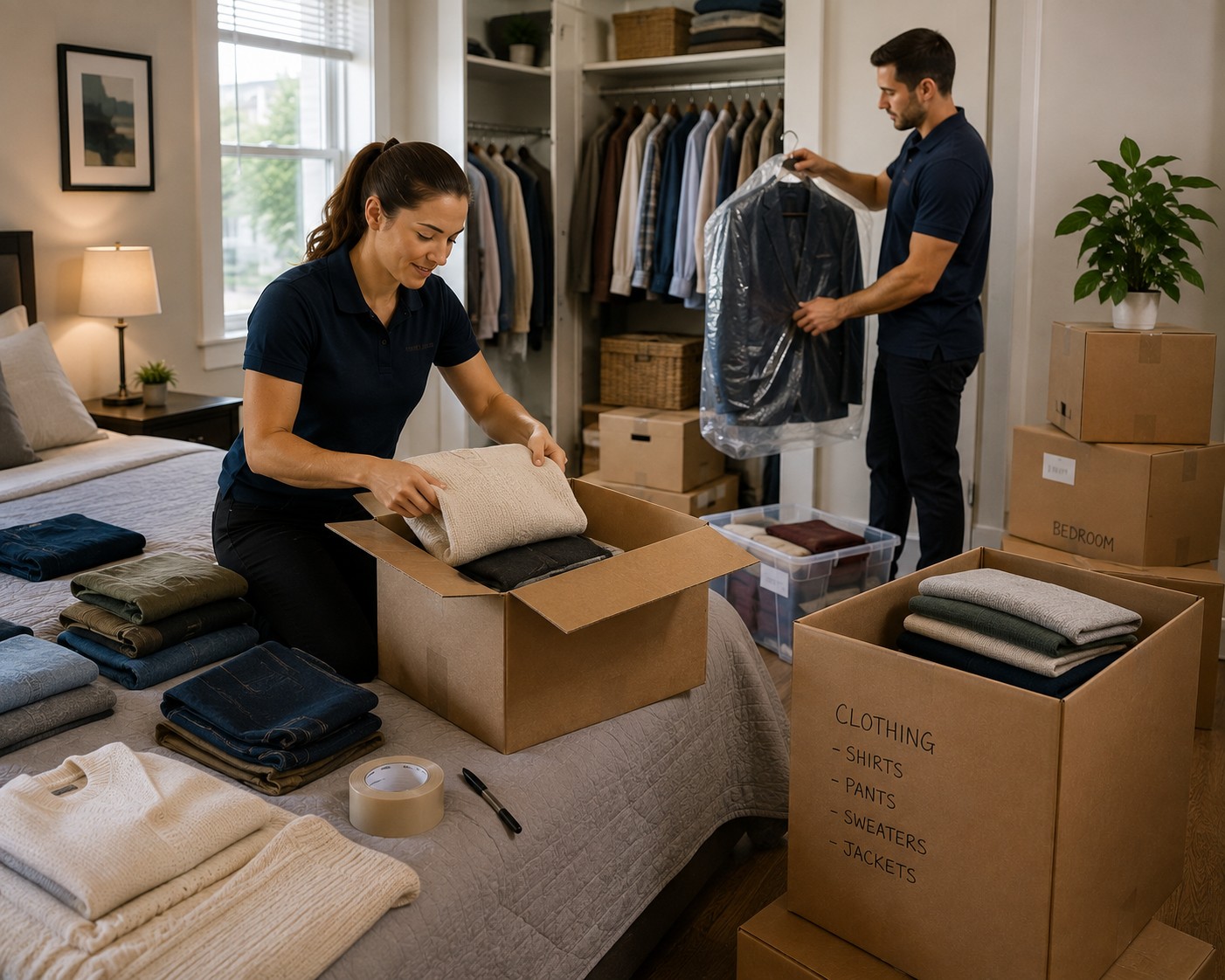
A Smarter Wardrobe Move: Packing Clothing Without the Chaos
Clothing is one of those household categories that seems easy to pack until the closet is actually opened. Shirts, coats, shoes, delicate fabrics, seasonal pieces, accessories, and everyday laundry can quickly become dozens of loose decisions. Without a system, clothing may arrive wrinkled, mixed together, or packed in boxes that are difficult to sort through.
A residential relocation is a good opportunity to make the wardrobe easier to manage rather than simply transferring every item from one closet to another. Nevada Movers works with households in the Las Vegas area, while homeowners can simplify the moving process by organizing clothing before packing begins.
Start With a Wardrobe Edit
Do not begin by pulling everything off the hangers. First decide what is worth taking.
Separate clothing into practical groups such as everyday wear, formal outfits, seasonal items, sportswear, accessories, and shoes. Create another pile for pieces that no longer fit, are damaged beyond repair, or have not been worn in a long time.
Moving fewer clothes means fewer containers, less lifting, and less unpacking at the destination.
Keep Immediate Essentials Separate
Set aside enough clothing for the days surrounding the relocation. Include comfortable outfits, sleepwear, underwear, shoes, and weather-appropriate clothing.
Pack these essentials separately and keep them accessible rather than sending them deep into the moving shipment.
Choose Containers Based on the Clothing
Not every garment belongs in the same type of box.
Fold durable clothing such as T-shirts, jeans, and sweaters into appropriately sized moving cartons. Avoid making boxes excessively heavy, particularly when packing dense fabrics.
For jackets, dresses, suits, and other garments that wrinkle easily, hanging wardrobe containers can be much more practical. They allow clothes to remain upright and reduce the amount of folding required.
If specialized wardrobe boxes are unavailable, clean garment bags can provide additional protection for particularly delicate pieces.
Protect Delicate Fabrics
Silk, wool, lace, formalwear, and other sensitive fabrics deserve extra attention. Make sure garments are clean and completely dry before packing them.
Use breathable protection where appropriate and avoid compressing delicate clothing under heavy items. Do not place shoes, accessories, or objects with hard edges directly against fragile fabrics.
For expensive or sentimental garments, consider transporting them separately if practical.
Nevada Movers can handle the physical side of a residential moving project, but particularly delicate wardrobe pieces may still benefit from individual preparation before they are handed over for transportation.
Organize Shoes and Accessories Separately
Shoes can introduce dirt and awkward shapes into clothing boxes. Clean them before packing and place them in individual bags or suitable containers.
Where possible, preserve the original shoe boxes for more delicate footwear. Otherwise, position shoes so their soles cannot directly contact clean clothing.
Belts, scarves, hats, handbags, and jewelry should also have their own organized containers. Small accessories can easily disappear inside large clothing cartons if they are not grouped together.

Label Boxes by Person and Season
A useful label says more than simply “clothes.” Identify whose clothing is inside and, when helpful, what type.
For example:
Bedroom — Winter Clothing
Guest Room — Everyday Clothes
Primary Closet — Formalwear
This approach becomes especially useful when several household members are unpacking at different speeds.
Keep a Few Clothes Accessible During the Move
Moving day itself is rarely the time to search through packed boxes for a clean shirt. Prepare an overnight bag or small suitcase for each household member.
Include toiletries, a few outfits, sleepwear, basic footwear, and any clothing needed for work or school immediately after the move.
If the relocation takes more than one day, expand this personal luggage accordingly.
Use the New Closet as a Guide
Before packing the wardrobe, look at the storage space in the new home. If the closets are arranged differently, adjust your organization accordingly.
You may want to group clothing by season, person, or frequency of use. Planning the new system before arriving can make unpacking considerably faster.
Details about residential moving support from Nevada Movers are available at https://nevadamoverslv.com/services/residential-moving/.
Unpack in a Practical Order
Once the move is complete, do not open every clothing container at once. Start with the wardrobe boxes and everyday garments needed immediately.
Hang formalwear and wrinkle-prone pieces as soon as possible. Fold everyday clothing into drawers or shelves according to the system chosen for the new home.
Shoes and accessories can be organized afterward once the main wardrobe is in place.
A well-planned clothing move is less about complicated packing techniques and more about making deliberate decisions before the first box is sealed. By reducing unnecessary garments, using suitable containers, separating delicate pieces, and keeping essentials accessible, a Las Vegas household can arrive at its new home with a wardrobe that is ready to use rather than another pile waiting to be sorted.