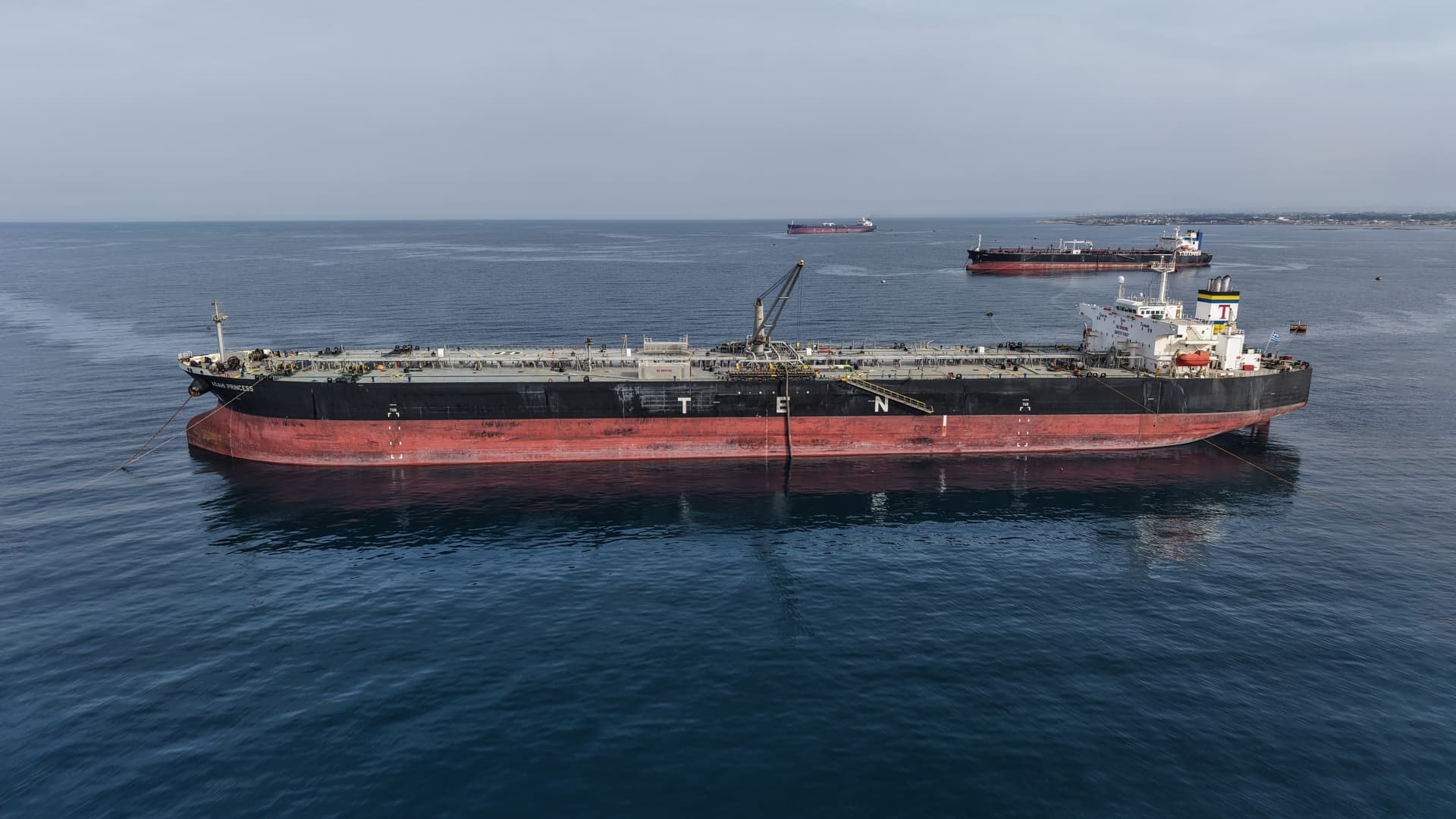
Iran floats conditions for Hormuz reopening as Trump says deal could come after midterms
In this article
- @LCO.1
- @CL.1
Iran has been in negotiations with the U.S. through a Qatari mediator in New York, and communicated its conditions for ending the seven-month war on all fronts, according to regional media reports.
Read more Trump administration removes around 760,000 Obamacare enrollments, alleging fraud
Tehran’s conditions include a halt to what it calls U.S. “acts of aggression,” an end to the naval blockade and economic warfare, and the release of Iranian assets, Iranian foreign ministry spokesman Esmaeil Baghaei said.
The proposal laid out concrete details aimed at restoring traffic through the Strait of Hormuz, which carried about a fifth of global oil and gas shipments before the war, reviving fragile hopes for a diplomatic off-ramp to the seven-month war.
Separately, a senior Iranian official said Tehran could reopen the strait within a week if the U.S. eases military pressure and lifts its blockade of Iranian ports.
President Donald Trump said during his address to the United Nations General Assembly Tuesday that he faced a choice between a deal and more aggressive military action, before telling reporters that U.S. officials held a “very good” three-hour meeting with Iranian envoys on the sidelines.
“Will a deal be made with Iran? Or do I annihilate the Islamic Republic, and do it quickly?” Trump said on Tuesday. He called on all nations to “enforce the complete economic isolation of Iran.”
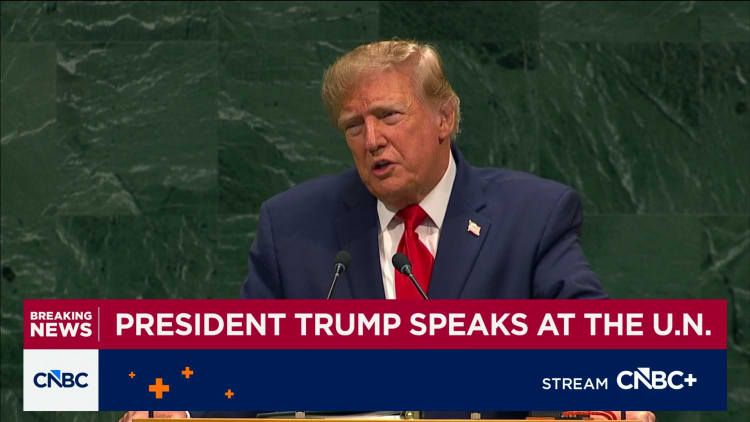
Trump also said he expected an agreement after November’s midterm elections. “I believe we’ll make a deal right after the election, because it doesn’t make sense for them not to,” he said. “They’re waiting to see how I do in the midterm election.”
Read more DOJ defends Trump ban of 3 news outlets, says White House access is a ‘privilege — not a right’
Shipping through Hormuz remains far below normal. Confirmed transits through the strait averaged 6.98 million barrels a day in the seven days to Sept. 20, according to Kpler. That’s about 38% of the 18.3 million barrel pre-war baseline.
Iran’s own crude exports have dried up as the U.S. reinstated its naval blockade. Its crude loadings fell to zero so far in September from 893,000 barrels a day in July, according to Kpler.
The strait “is increasingly a Saudi-controlled shuttle corridor,” the shipping research agency said Tuesday. Saudi Arabia has shifted exports to its Gulf coast since a Houthi attack earlier this month halted flows on its East-West pipeline to the Red Sea port of Yanbu.
An interim peace agreement between Washington and Tehran collapsed in July, weeks after it was signed, and neither side has signaled when the next round of talks will take place.
Oil prices have drifted lower on hopes of a diplomatic opening. Futures for international benchmark Brent crude pulled back 0.9% to $98.37 a barrel, while U.S. West Texas Intermediate futures fell 1.5% to $89.16 per barrel.
Read more Qantas to start selling tickets next year for its New York to Sydney nonstop flight

Related Posts
Trump invokes 9/11 in urging Michigan voters to oppose Muslim Senate candidate El-Sayed

Brazil’s Lula wins historic presidential election; Bolsonaro reportedly refuses to concede