25 years after 9/11, the U.S. starts rolling back travel restrictions, from liquids to gate access
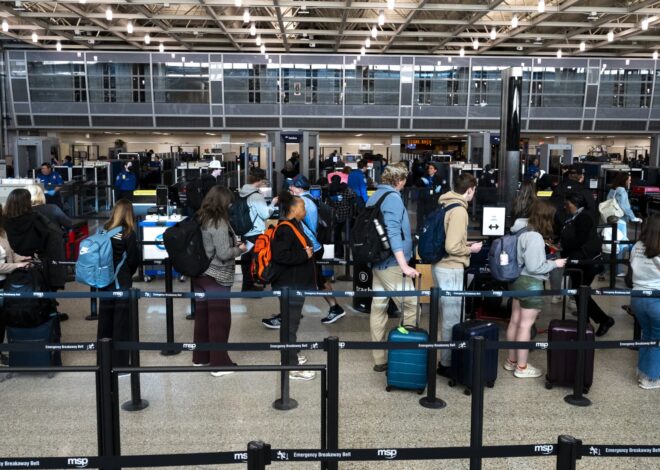
The Sept. 11, 2001, terror attacks reshaped how we travel, from how we pack our toiletries to what we wear when we fly. Airport checkpoints for almost a quarter century for most travelers have meant shoes off. Limitations on liquids. And no tearful, cinematic gateside farewells or joyful welcomes.
Read more Analysis: Hot CPI puts Kevin Warsh’s Fed credibility on the line before rate decision
But 25 years later, the U.S. government is starting to ease some of the restrictions, which include measures that were tied to other attacks attempted in the months after 9/11.
Last year, the Department of Homeland Security, which was formed after the attacks, said flyers can leave their shoes on at airports, a major change for travelers going through regular security.
That rule was introduced after Richard Reid, who became known as the “shoe bomber,” tried and failed to ignite explosive material in his shoe on a Paris-to-Miami flight in December 2001.
Rules for liquids are officially unchanged. Those regulations for liquids in carry-ons stem from 2006, when British officials foiled a plot to bring liquid explosives on flights.
New scanners installed at some airport checkpoints allow travelers to leave liquids in their bags before going through screening, though availability varies by airport and checkpoint. Limits on liquid container size remain in effect.
“The technologies today are better than they were a long time ago and some of the technology that’s been deployed is better than it was five years ago,” said Jeff Price, a professor at the Metropolitan State University of Denver’s Department of Aviation and Aerospace Science and an airport management consultant.
Read more about post-9/11 air travel
- How the Sept. 11 terrorist attacks forever changed air travel
- TSA will let travelers keep their shoes on at airport security checkpoints
- TSA staff shortages in government shutdown lead to hourslong security lines for travelers at some airports
- Why airport security is so slow and how the TSA and airlines are trying to fix it
Another change since that era is the number of options customers have for airport screening. The Transportation Security Administration, for $76.75 covering five years, offers PreCheck, in which travelers undergo prescreening services and can use expedited screening lanes.
“If you’ve got a few bucks, yeah, you can reduce the amount of screening and jump the line,” Price said. “The other side of that is when you do become a member of PreCheck, you give up a lot more of your personal data to the government, and that’s the trade-off.”
There’s also a private option with Clear, with a shorter identification check line, in exchange for prescreened biometric data.
Gate greetings return
The new changes are going beyond security.
TSA this week launched a free program allowing eligible trusted travelers, including TSA PreCheck members, to apply for access to secure gate areas without a boarding pass.
The program is called “Gateside,” and the agency has rolled it out at 13 U.S. airports, including Dallas Fort Worth International Airport, Los Angeles International Airport, Detroit Metropolitan Wayne County Airport and Salt Lake City International Airport.
Read more Houthis seize key Yemeni port city as Iran pushes for new foothold on Red Sea coast
The area beyond TSA screening has been heavily restricted since 9/11. In launching the program, the agency said PreCheck members who use the program can “meet family members at their gate, join a friend on a long layover for lunch or dinner, visit airport dining and shopping locations, or greet service members returning from deployment.”
Participants must apply online one to three days in advance and receive approval before entering through security.
Privatization attempt
Some of the tweaks to security have been more rocky.
The TSA late last month scrapped a program it called TSA Gold+ that would provide privatized security at certain airports.
The new head of TSA, David Cummins, who took the top role in early August, said that a new screening partnership program will “replace TSA Gold+ to better harness the role of the private sector in delivering a safer, more secure, and more efficient aviation system.”
TSA didn’t respond to requests for further comment.
Tampa International Airport in Florida had reviewed the program starting in May, in part because it could shield the airport from the impact of government shutdowns, airport Chief Operating Officer John Tiliacos told reporters last month. Those shutdowns left TSA officers without regular paychecks for months, and staffing shortages led to long lines at airports around the country. The chance to add new technology was also a draw.
Tampa decided not to move forward with the program, and TSA announced itsreplacement shortly after. Tampa’s Tiliacos told reporters last month “we weren’t quite satisfied that we were getting all of the answers to our questions regarding the technology” and that drove the airport’s decision to opt out.
Evolving threats
While some rules travelers have lived with for decades might be fading, the aviation sector is still dealing with changing threats.
“You have AI. You’ve got cybersecurity issues that continue to pop up. Drones are a major issue,” said Keith Jeffries, vice president of aviation security company K2 Security Screening Group, who is retired from the TSA and was the agency’s security director at Los Angeles International Airport. “It’s the role of security and protecting, especially the transportation sector, it’s getting broader, and other technologies are trying to keep up.”
As security technology evolves, so does the energy of potential attackers to overcome whatever obstacle they have and send their message.
Deterrents are important, but Jeffries said: “There is no such thing as the perfect security mousetrap. It doesn’t exist.”
Read more Trump says he has no regrets about starting the Iran war as U.S. dials up economic pressure